

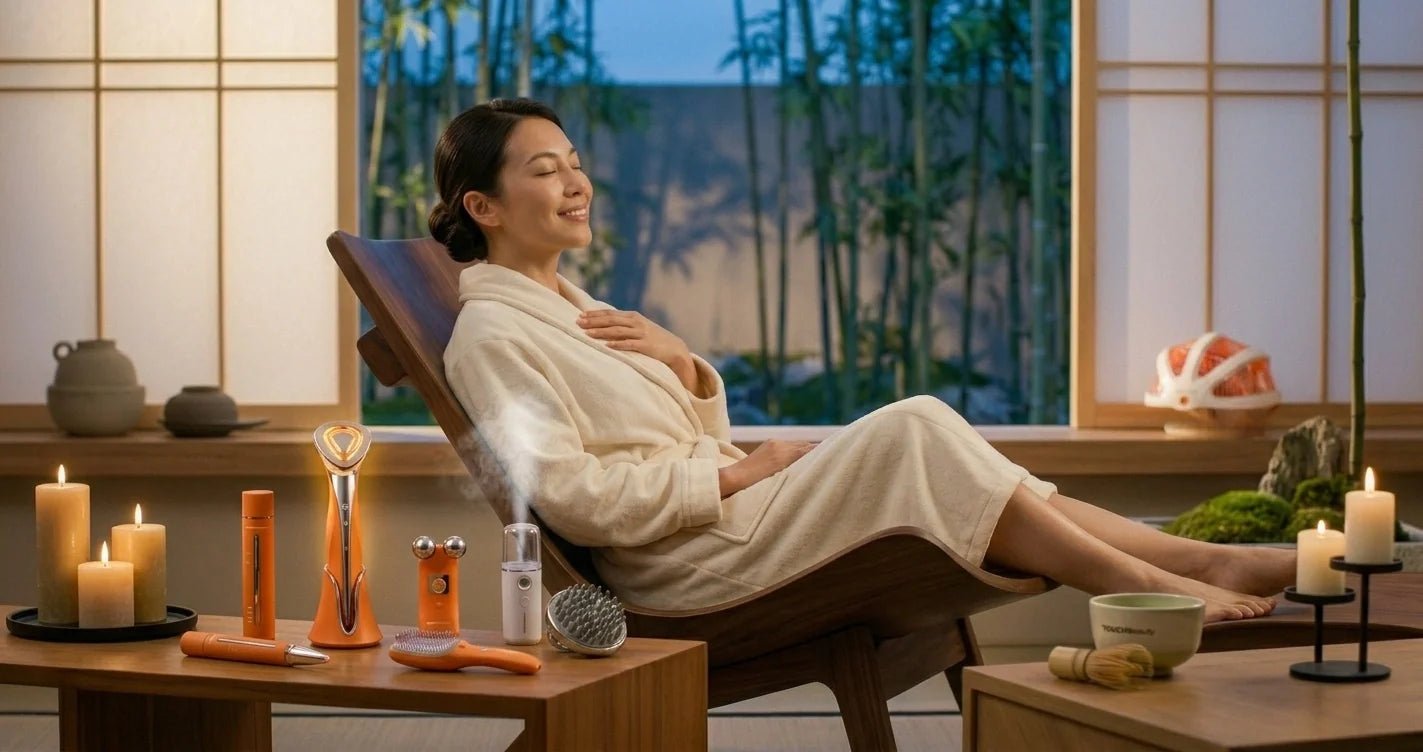
A Research-Backed Guide to Understanding Hair Thinning and Supporting Healthier Hair Growth
Hair thinning is one of the most searched hair concerns today — and it affects far more people than many realize. Whether you’re noticing extra shedding in the shower, reduced hair volume around your crown, or a widening part line, thinning hair can feel frustrating and difficult to understand.
The challenge is that hair thinning rarely has just one cause. Genetics, stress, hormones, scalp condition, aging, lifestyle habits, and even daily styling routines can all influence how your hair looks and feels over time.
At TOUCHBeauty Official Store, we focus on modern scalp wellness technology designed to support healthier-looking hair through consistent at-home care routines. Instead of promoting quick fixes, our philosophy centers around scalp health, self-care consistency, and non-invasive beauty technology.
This guide explores the most common causes of hair thinning, what science currently understands about scalp wellness, and how modern approaches like red light therapy, EMS scalp stimulation, and far infrared scalp care are becoming increasingly popular among consumers looking for at-home solutions.
If you’re looking for a complete overview of hair thinning treatments and scalp wellness strategies, start with our main guide:
👉 Hair Thinning Guide

Why Is My Hair Thinning?
Hair thinning can happen for many different reasons, but the most common causes include:
- Genetics and aging
- Stress and emotional fatigue
- Hormonal changes
- Poor scalp circulation
- Excess oil and scalp buildup
- Heat styling and hair damage
- Nutritional imbalance
- Natural hair cycle changes
- Inconsistent scalp care habits
In many cases, hair follicles are still active but producing finer, weaker strands over time.
Because thinning hair often develops gradually, early scalp care and supportive wellness routines may help improve the appearance of fuller, healthier-looking hair.

What Does Hair Thinning Look Like?
Hair thinning doesn’t always appear as dramatic hair loss. Early signs are often subtle and progressive.
You may notice:
- A wider center or side part
- Reduced ponytail thickness
- More visible scalp under bright light
- Increased shedding during brushing or washing
- Thinner hair around the crown or temples
- Hair strands becoming finer over time
Unlike sudden hair loss conditions, thinning hair usually develops slowly over months or years.
According to the American Academy of Dermatology, hereditary hair thinning affects millions of men and women in the United States alone, making it one of the most common long-term hair concerns.

1. Genetics and Family History
One of the leading causes of thinning hair is hereditary predisposition.
This type of thinning often develops gradually and may become more noticeable with age. In many cases, follicles continue producing hair, but the strands become progressively finer over time.
Genetic thinning can affect:
- Women after menopause
- Men with receding hairlines or thinning crowns
- Younger adults experiencing early density changes
While genetics cannot be changed, many people now focus on improving scalp wellness and maintaining consistent hair care routines.
Modern scalp wellness approaches often include:
- Scalp massage
- Light-based scalp technology
- Gentle cleansing routines
- Stress reduction
- Circulation-focused scalp care
Related reading:
👉 Red Light Therapy for Hair Growth

2. Stress and Emotional Fatigue
Chronic stress is increasingly associated with temporary hair shedding patterns.
Research published through the National Library of Medicine suggests that physical and emotional stress may disrupt the natural hair growth cycle by pushing more follicles into the resting phase, commonly known as the telogen phase.
This type of stress-related shedding may occur after:
- Emotional burnout
- Illness
- Sleep deprivation
- Major lifestyle changes
- High-pressure work environments
Consumers across high-stress urban regions such as Los Angeles, New York City, and San Francisco are increasingly incorporating scalp wellness routines into broader self-care habits.
Because scalp tension and circulation are often discussed together in modern beauty wellness, many users are exploring devices that combine massage, light therapy, and EMS stimulation into a single routine.
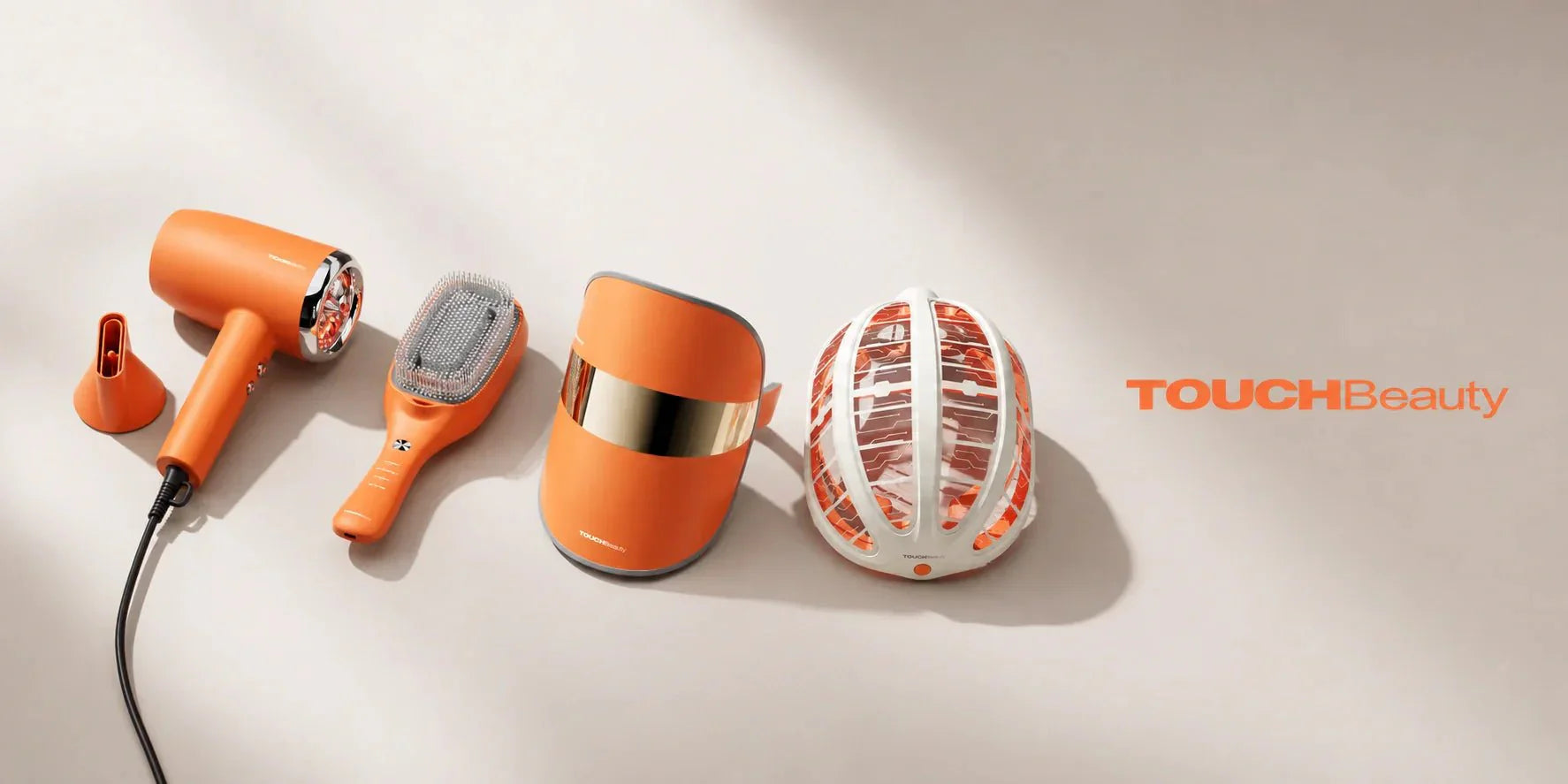
The TOUCHBeauty VITA Laser Comb & Scalp Massager was designed around this multi-function approach and combines:
- EMS scalp stimulation
- Sonic vibration massage
- Red and blue light therapy
- Ionic scalp care technology
Related reading:
👉 Stress and Hair Loss

3. Hormonal Changes
Hormones play a major role in regulating hair growth cycles and scalp condition.
Hair thinning related to hormonal fluctuations is especially common during:
- Menopause
- Postpartum recovery
- Thyroid imbalance
- Aging-related hormonal changes
Many women first notice reduced density around the crown or widening part lines during hormonal transitions.
According to dermatology research, hormone-related thinning often develops gradually and may coincide with changes in scalp oil production, hair texture, and overall density.
This is one reason why scalp-supportive wellness routines are becoming increasingly popular among women seeking non-invasive at-home solutions.
Related reading:
👉 Menopause Hair Thinning

4. Poor Scalp Circulation
Healthy scalp circulation helps support the delivery of oxygen and nutrients to hair follicles.
When scalp circulation becomes reduced, follicles may not receive optimal environmental support.
This is one reason scalp massage and warming scalp technologies have become increasingly discussed in modern scalp wellness.
Research around scalp stimulation and low-level light technologies continues to grow as consumers search for non-invasive ways to support scalp comfort and hair wellness routines at home.
The TOUCHBeauty VITA Graphene FIR Helmet combines:
- 640nm red light therapy
- Graphene far infrared technology
- Full-scalp coverage design
- Gentle warming support
Far infrared wavelengths between 6–14μm are commonly associated with warming wellness technologies designed to support comfort and relaxation.
Related reading:
👉Far Infrared Therapy for Hair Growth
5. Excess Oil and Scalp Buildup
A healthy scalp environment is essential for maintaining healthy-looking hair.
Excess oil, dead skin accumulation, and heavy product residue may contribute to:
- Flat-looking roots
- Greasy scalp texture
- Itchiness or irritation
- Reduced scalp freshness
This does not necessarily cause permanent hair loss, but an imbalanced scalp environment can affect overall hair appearance and comfort.
Blue light scalp care technologies are increasingly used in beauty devices designed to support scalp cleanliness and balance.
Related reading:
👉 Oily Scalp and Hair Thinning

6. Heat Styling and Chemical Damage
Frequent exposure to:
- Flat irons
- Curling tools
- Bleaching
- Tight hairstyles
- Harsh chemical treatments
can weaken hair fibers over time.
Damaged strands are more likely to break, appear thinner, and lose volume.
While this type of damage may not directly affect follicles, it can significantly influence overall hair appearance and density.
Protective styling habits and gentler routines may help preserve stronger-looking hair over time.

7. Nutritional Imbalance
Hair wellness is closely connected to overall nutrition and lifestyle habits.
Low intake of essential nutrients may influence:
- Hair strength
- Growth cycles
- Strand thickness
- Overall hair vitality
People experiencing thinning hair may also report:
- High stress levels
- Fatigue
- Restrictive dieting
- Poor sleep quality
Supporting overall wellness through balanced nutrition, hydration, and consistent routines may help create healthier conditions for hair and scalp wellness.

8. Aging and Natural Hair Cycle Changes
As the body ages, hair growth cycles naturally slow down.
Over time, strands may become:
- Finer
- Less pigmented
- More fragile
- Slower growing
Scalp oil production and circulation may also change with age.
This shift has contributed to growing interest in preventative scalp wellness routines and at-home beauty technology among adults seeking to maintain healthier-looking hair long term.
Consumers across California, Florida, and major metropolitan areas are increasingly turning toward at-home scalp wellness devices as part of modern beauty and self-care routines.

9. Poor Scalp Care Habits
Many people focus heavily on shampoos and hair strands while overlooking the scalp itself.
However, the scalp is the foundation of healthy-looking hair.
Poor scalp care habits may include:
- Product buildup
- Overwashing
- Harsh cleansing
- Lack of scalp stimulation
- Ignoring scalp discomfort
Modern scalp wellness routines increasingly focus on maintaining:
- Scalp balance
- Gentle stimulation
- Circulation support
- Relaxation
- Consistency
Explore the full TOUCHBeauty Hair Care Collection to discover advanced beauty technology designed for scalp wellness at home.

Can Thinning Hair Grow Back?
In some cases, thinning hair may improve depending on the underlying cause and overall scalp condition.
Hair follicles may remain active even when strands become finer or weaker over time.
This is why many modern approaches focus on:
- Supporting scalp wellness
- Maintaining healthy routines
- Reducing stress
- Encouraging consistent scalp care
- Improving overall scalp environment
Results vary depending on genetics, age, scalp condition, and lifestyle factors, but long-term consistency is often emphasized by dermatology professionals.

Why TOUCHBeauty Focuses on Beauty Technology and Scalp Wellness
At TOUCHBeauty Official Store, our philosophy combines beauty technology with consistent self-care routines designed for modern lifestyles.
Our scalp wellness devices integrate technologies such as:
- Red light therapy
- EMS scalp stimulation
- Sonic vibration massage
- Graphene far infrared technology
- Ionic scalp care
Rather than promoting aggressive treatments or unrealistic promises, we focus on supporting healthier scalp environments through comfortable at-home routines.
Learn more:
👉Hair Care

Hair thinning is influenced by many factors, including genetics, hormones, stress, aging, scalp condition, and daily habits.
Understanding the underlying causes is the first step toward building a healthier scalp care routine.
Modern scalp wellness increasingly focuses on long-term consistency, non-invasive beauty technology, and supportive self-care habits rather than quick fixes.
At TOUCHBeauty, we believe healthier-looking hair begins with a healthier scalp environment — supported through smart beauty technology and practical daily routines.


اترك تعليقًا
This site is protected by hCaptcha and the hCaptcha Privacy Policy and Terms of Service apply.