


A Dermatology-Informed Guide Backed by Scalp Biology, Research Insights, and Modern Hair Wellness Technology
Hair loss and hair thinning are often used interchangeably, but in dermatology and scalp science, they describe two different conditions with different underlying mechanisms.
Understanding this difference is important because it helps you identify whether your hair changes are temporary, progressive, or related to scalp health, lifestyle factors, or biological aging.
According to the American Academy of Dermatology, millions of adults experience either hair thinning or hair loss during their lifetime, making it one of the most common dermatological concerns worldwide.
At TOUCHBeauty Official Store, we focus on scalp wellness and non-invasive beauty technology designed to support healthier-looking hair through consistent at-home routines.
This guide breaks down:
- The biological difference between hair loss and hair thinning
- How each condition develops
- Key causes supported by dermatology research
- Early warning signs
- Modern scalp wellness approaches (light therapy, EMS, scalp stimulation)
- When to seek professional advice

Quick Dermatology Explanation (Featured Snippet Optimized)
Hair thinning is a gradual reduction in hair density or strand diameter, often caused by genetics, hormonal changes, stress, or scalp health imbalance.
Hair loss refers to more noticeable shedding or areas where follicles stop producing visible hair, which may result in patchy or rapid hair reduction.
In many cases, hair thinning occurs first before more visible hair loss develops.

Hair Thinning vs Hair Loss: Core Difference
Hair Thinning
Hair thinning is usually a progressive process where hair becomes:
- Finer in diameter
- Less dense over time
- More visible at the scalp
- Gradually weaker in structure
Hair follicles are often still active but produce weaker strands.

Hair Loss
Hair loss typically refers to:
- Noticeable shedding
- Patchy bald spots
- Receding hairline
- Reduced follicle activity
- Sudden or accelerated changes
In some cases, hair loss may be associated with medical or autoimmune conditions.

Biological Insight: What Actually Happens in the Scalp?
From a scalp biology perspective, hair grows in cycles:
- Anagen (growth phase)
- Catagen (transition phase)
- Telogen (resting phase)
When disruptions occur, follicles may:
- Spend less time in anagen phase
- Enter telogen phase prematurely
- Produce thinner hair shafts
- Reduce overall density
This cycle disruption is often at the root of both thinning and shedding patterns.

1. Genetic Sensitivity (Hereditary Hair Thinning)
One of the most common causes of hair thinning is genetic sensitivity to hormones that regulate follicle activity.
This type of thinning is gradual and often begins with:
- Crown area density reduction
- Receding hairline (men)
- Widening part line (women)
It is not sudden, but progressive over time.
Genetic hair thinning is also known as androgen-sensitive hair loss in dermatology literature.

2. Hormonal Changes and Lifecycle Transitions
Hormonal fluctuations are a major factor in hair density changes, particularly in:
- Postpartum recovery
- Menopause transition
- Thyroid imbalance
- Aging-related hormonal decline
Hormones influence follicle cycling and sebum production, both of which affect scalp environment and hair appearance.
Women in urban regions such as New York City and Los Angeles increasingly seek non-invasive scalp wellness solutions during hormonal transitions.

3. Stress-Induced Hair Cycle Disruption
Stress is strongly associated with temporary hair shedding patterns.
Research from the National Library of Medicine indicates that physical or emotional stress may push follicles into the telogen (resting) phase earlier than normal.
This can result in:
- Increased shedding
- Reduced density appearance
- Temporary thinning
Common triggers include:
- Chronic stress
- Sleep deprivation
- Emotional trauma
- Illness recovery

4. Scalp Circulation and Follicle Environment
Healthy scalp circulation plays a key role in supporting follicle function.
When circulation is reduced, follicles may receive less oxygen and nutrient support, which can affect hair quality over time.
This is why modern scalp wellness approaches often include:
- Scalp massage
- Heat-based therapies
- Light-based stimulation

Technology Spotlight: Scalp Wellness Support
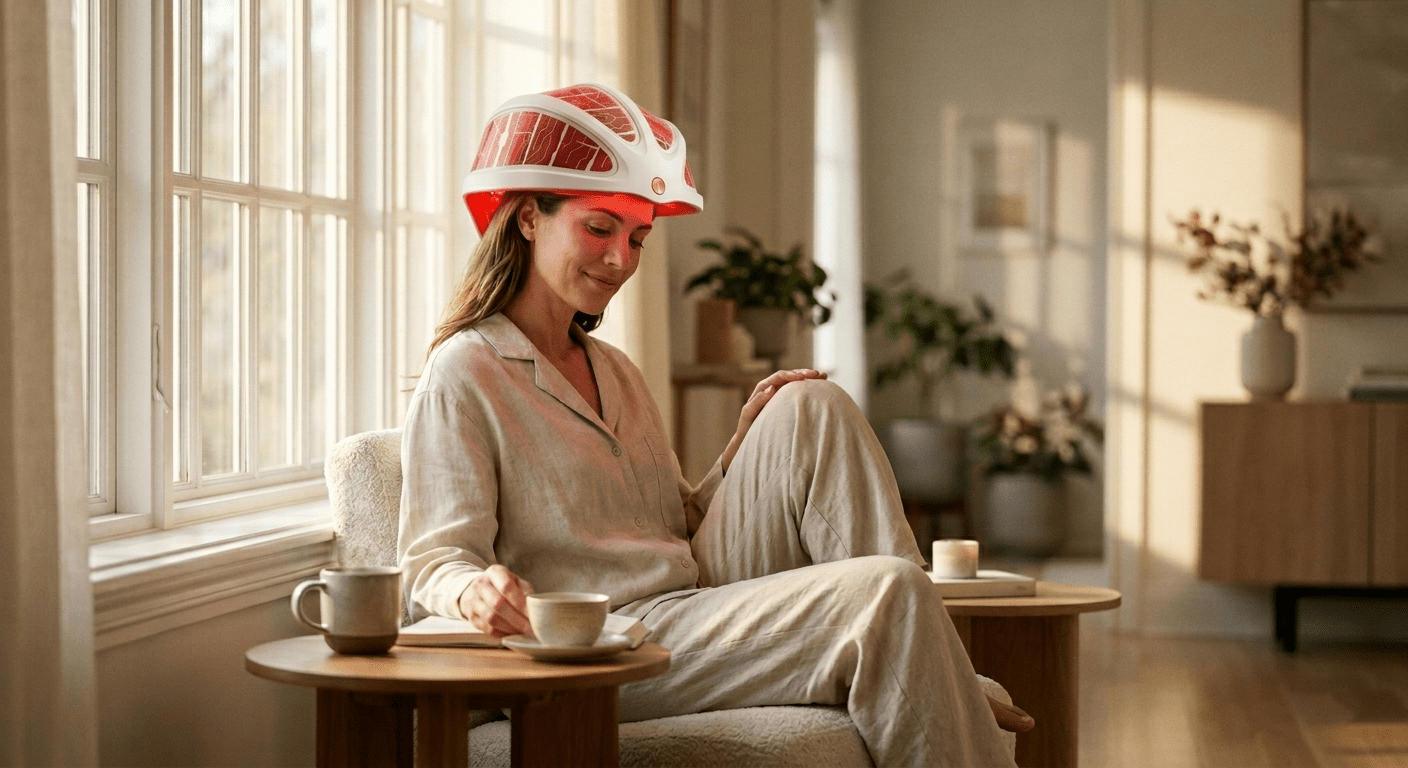
The TOUCHBeauty VITA Graphene FIR Helmet integrates:
- 640nm red light therapy
- Graphene far infrared warming
- Full scalp coverage design
Far infrared (FIR) technology is widely used in wellness applications for its gentle warming and relaxation-focused properties.

5. Scalp Oil Imbalance and Build-Up
An unhealthy scalp environment may affect how hair looks and behaves.
Common conditions include:
- Excess sebum production
- Product residue buildup
- Scalp irritation or itching
- Poor follicle environment
While not always causing permanent hair loss, scalp imbalance may contribute to reduced hair vitality and volume appearance.

6. Heat, Chemical Damage, and Mechanical Stress
External damage from styling habits can significantly affect hair appearance.
Common causes include:
- Frequent heat styling
- Bleaching or coloring
- Tight hairstyles
- Chemical treatments
These factors often lead to hair shaft weakening, breakage, and reduced visual density.

7. Nutritional and Lifestyle Factors
Hair is a non-essential tissue, meaning it is sensitive to nutrient availability.
Deficiencies in:
- Protein
- Iron
- Zinc
- Vitamins (D, B-complex)
may influence hair structure and growth cycle performance.
Lifestyle factors such as poor sleep and irregular eating patterns may also contribute.

8. Aging and Natural Follicle Changes
As part of natural aging, hair follicles may:
- Produce thinner strands
- Slow growth cycles
- Reduce pigment production
- Become less active over time
This is a normal biological process, but scalp wellness routines may help support healthier-looking hair quality.
9. Poor Scalp Care Habits
Many people focus on hair strands but neglect scalp health.
Common issues include:
- Product buildup
- Overwashing or under-washing
- Lack of scalp stimulation
- Harsh cleansing products
Modern scalp care focuses on maintaining balance rather than aggressive cleansing.
When Does Hair Thinning Become Hair Loss?
Hair thinning may progress into hair loss if:
- Follicles remain inactive for long periods
- Scalp inflammation persists
- Hormonal imbalance continues
- Stress remains chronic
Early intervention through scalp care routines may help maintain a healthier scalp environment.

Modern Scalp Wellness Approaches (Non-Medical Support)
Modern beauty technology increasingly focuses on scalp stimulation and wellness support rather than aggressive treatments.
Common approaches include:
Red Light Therapy
Supports scalp wellness routines and circulation-focused care.
EMS Scalp Stimulation
Provides gentle scalp activation through microcurrent-based stimulation.
Scalp Massage Technology
Helps reduce scalp tension and improve relaxation.
Far Infrared Therapy
Uses gentle heat-based technology to support scalp comfort.
Product Integration Example
The TOUCHBeauty VITA Laser Comb & Scalp Massager combines:
- EMS scalp stimulation
- Red & blue light therapy
- Vibration massage
- Ionic scalp care
This multi-technology approach reflects the shift toward at-home scalp wellness routines.

When Should You See a Dermatologist?
Professional consultation is recommended if you experience:
- Sudden or rapid shedding
- Patchy hair loss
- Scalp pain or inflammation
- Hair loss after medication or illness
- Persistent unexplained thinning
A dermatologist can help identify medical causes and recommend appropriate treatment options.
FAQ
1. Is hair thinning the same as hair loss?
No. Hair thinning is gradual reduction in density, while hair loss often involves visible shedding or inactive follicles.
2. Can thinning hair grow back?
It depends on the cause. If follicles are still active, improvement in scalp environment may support healthier-looking hair.
3. What is the most common cause of hair thinning?
Genetics, hormonal changes, and stress are the most common contributors.
4. Does stress really cause hair thinning?
Yes. Stress can disrupt the hair growth cycle and increase shedding phases.
Why TOUCHBeauty Focuses on Scalp Wellness Technology
At TOUCHBeauty Official Store, we develop beauty technology designed to support:
- Scalp circulation
- Relaxation routines
- At-home consistency
- Non-invasive hair wellness care
Our devices integrate:
- Red light technology
- EMS stimulation
- Sonic massage systems
- Graphene far infrared heating
Explore the full range:
👉 Hair Care

Hair thinning and hair loss are closely related but biologically different conditions.
Hair thinning is often the earliest stage of change, while hair loss may represent more advanced follicle inactivity.
Understanding the difference allows you to take earlier, more informed action through scalp wellness routines and consistent care habits.

Laat een reactie achter
Deze site wordt beschermd door hCaptcha en het privacybeleid en de servicevoorwaarden van hCaptcha zijn van toepassing.