

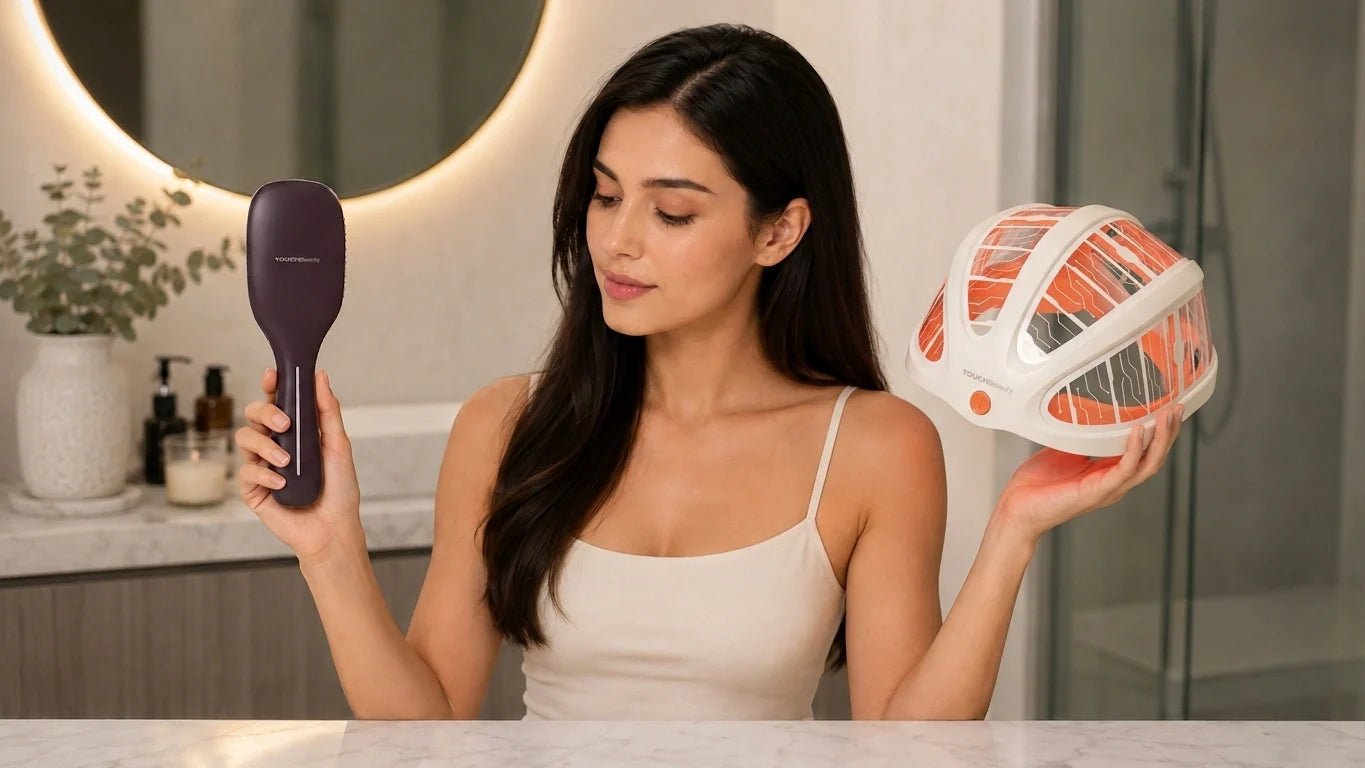
For beginners, the most important thing to understand is this: low-level laser therapy is not a quick fix, and it should not be treated like a miracle cure. It is best viewed as a consistent scalp care technology that may support a broader hair wellness routine, especially for people noticing early signs of thinning-looking hair, weaker-looking roots, or reduced hair density.
Dermatology sources describe low-level laser or light devices as an at-home option that may help some people with hereditary or pattern hair loss, while also emphasizing that results vary and proper diagnosis matters.

What Is Low-Level Laser Therapy for Hair?
Low-level laser therapy, often shortened to LLLT, is a light-based technology that uses low-intensity red or near-infrared light on the scalp. In hair care, it is usually found in devices such as laser combs, laser caps, laser helmets, and red light scalp devices.
You may also see it described as:
- Low-level light therapy
- Red light therapy for hair
- Laser hair growth therapy
- Photobiomodulation for hair
- At-home laser hair treatment
- Laser comb treatment for thinning hair
The word “low-level” is important. These devices do not work like surgical lasers or salon lasers used for resurfacing skin. Instead, they use lower-energy light designed for repeated, non-invasive use on the scalp.
A systematic review on FDA-cleared LLLT devices for pattern hair loss concluded that LLLT is potentially effective for pattern hair loss, while also noting the need for stronger long-term studies and more comparison between device types.

How Does LLLT Work on the Scalp?
The exact mechanism is still being studied, but LLLT is commonly discussed through the concept of photobiomodulation. This means light interacts with cells and may help support biological activity.
For hair care beginners, you do not need to memorize the science. The practical idea is that red or low-level laser light is directed at the scalp, where it may help support the environment around hair follicles.
A beginner-friendly way to understand it:
LLLT does not “create hair overnight.” It is designed to support the scalp and follicles gradually through consistent light exposure.
This is why many laser combs and red light scalp devices require repeated use over weeks or months. A few sessions are not enough to evaluate results.

LLLT vs. Red Light Therapy: Are They the Same?
The terms are often used together, but they are not always identical.
Low-level laser therapy usually refers to devices that use laser diodes or low-level laser light. Red light therapy can refer more broadly to red LED or laser-based light. In consumer beauty tech, many devices combine or market these concepts together.
For beginners, the key difference is not the label alone. What matters more is:
- The light wavelength
- The device design
- The scalp coverage
- The usage time
- The consistency of use
- Whether the device has credible safety and performance information
Some at-home products are laser-based, some use LEDs, and some combine light with massage, vibration, EMS, or other scalp care technologies.

Who May Benefit from Low-Level Laser Therapy for Hair?
LLLT is most often discussed for people who are seeing early-stage hair thinning, pattern hair loss, or weaker-looking hair density. The American Academy of Dermatology notes that at-home laser devices are available and that some studies show these devices may be effective for female pattern hair loss.
However, not every type of hair concern has the same cause. Hair shedding can be related to stress, postpartum changes, illness, nutrition, medication, hormones, genetics, or scalp conditions. The AAD also notes that excessive shedding can occur after major stressors and may be different from permanent hair loss.
This matters because the right routine depends on the reason behind your hair concern.
LLLT may be a good topic to research if you are looking for:
- low-level laser therapy for thinning hair
- laser comb for early hair thinning
- red light therapy for hair density
- at-home laser scalp treatment
- non-invasive scalp care device
- beauty tech for fuller-looking hair
If your hair loss is sudden, patchy, painful, itchy, or severe, it is better to speak with a dermatologist before relying on any at-home device.

What Results Should Beginners Expect?
The most common mistake beginners make is expecting fast, dramatic changes. LLLT is generally a long-term consistency routine.
You may see some brands talk about results in a few months, but expectations should stay realistic. For many users, changes may be subtle and gradual. Some people may notice improved hair appearance, better routine consistency, or fuller-looking roots over time. Others may need medical treatment, nutrition support, or a different approach.
A realistic beginner mindset:
Do not judge LLLT after one or two uses. Treat it like a long-term scalp care habit, not an instant styling hack.
For cosmetic content, it is safer and more accurate to describe the goal as:
- fuller-looking hair
- healthier-looking roots
- a better scalp care routine
- improved appearance of hair density
- support for a consistent hair wellness routine
Avoid thinking of LLLT as a guaranteed cure for hair loss.

Laser Comb, Laser Cap, or Scalp Care Device?
There are several types of LLLT or red light hair devices. Each has a different user experience.
Laser Comb
A laser comb is usually handheld and moved across the scalp. It may be easier for targeted areas, such as the hairline, part line, crown, or thinning-looking spots. The downside is that it requires manual use and consistency.
Laser Cap or Helmet
Laser caps and helmets are usually hands-free and cover more of the scalp. They can be convenient but are often more expensive and less flexible for people who prefer targeted brushing.
Multi-Function Scalp Care Device
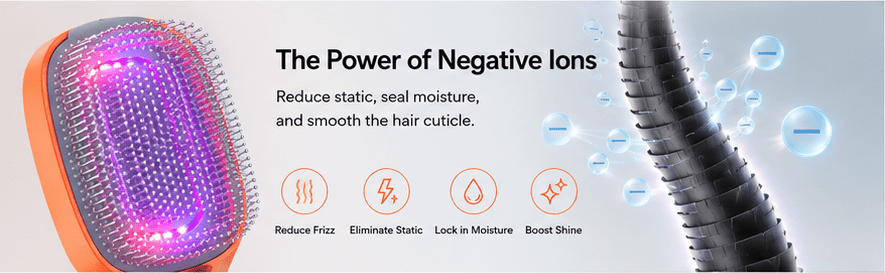
Some beauty-tech tools combine light care with other scalp-focused functions. For example, the TOUCHBeauty VITA Scalp Care Comb is designed for users who want to upgrade brushing into a more complete scalp care ritual. It brings together multiple technologies in one device, making it easier to build a repeatable at-home routine.
If you are new to this category, a handheld device can feel more approachable because it fits naturally into something you already do: brushing your hair.

How to Use LLLT in a Beginner-Friendly Routine
A simple routine is better than an unrealistic one. Beginners should focus on clean use, scalp contact, and consistency.
Step 1: Start with a Clean Scalp
Light-based devices work best when they can reach the scalp area. Heavy product buildup, dry shampoo, or oil at the roots may interfere with a clean routine.
If your roots get oily quickly, read our guide on why your scalp gets oily so fast before building your LLLT routine.
Step 2: Use on Dry Hair
Most at-home scalp care devices are designed for dry hair unless the instructions say otherwise. Dry hair also makes it easier to part sections and guide the device close to the roots.
Step 3: Move Slowly Across the Scalp
Do not rush. Whether you are using a laser comb or a multi-function scalp care comb, slow movement helps you create a more intentional routine.
Focus on common areas such as:
- Hairline
- Crown
- Part line
- Flat root areas
- Areas that look less full
Step 4: Stay Consistent
Consistency is the real challenge. A device only helps if you actually use it. That is why a simple 5-minute scalp care routine can be more practical than a complicated 30-minute routine you abandon after one week.
For a broader routine foundation, read our complete scalp care routine at home.

Where TOUCHBeauty VITA Fits In
For beginners, the best routine is one that feels easy to repeat. VITA is not just about one technology; it is about turning daily brushing into a smarter scalp care step.
The TOUCHBeauty VITA Scalp Care Comb can fit into a routine for people who want:
- A handheld scalp care device
- A laser comb and scalp massager style experience
- A 5-minute beauty-tech routine
- A tool for fresher-feeling roots
- A routine for smoother-looking hair
- A device that supports fuller-looking volume at the roots
Instead of adding several separate tools to your shelf, VITA helps combine brushing, scalp contact, and advanced beauty-tech features into one routine-friendly device.
If you are new to LLLT or red light scalp care, start simple: clean dry hair, slow movement, scalp-focused sections, and consistent use.

Safety Notes for Beginners
LLLT is generally discussed as non-invasive, but every device should be used responsibly. Always follow the product instructions, avoid overuse, and do not use light-based devices in ways the brand does not recommend.
Be more cautious if you:
- Have a diagnosed scalp condition
- Have sudden or patchy hair loss
- Are taking photosensitizing medication
- Have scalp irritation, wounds, or inflammation
- Are pregnant or under medical care
- Have concerns about eye sensitivity or light exposure
This article is for beauty and educational purposes only. It is not medical advice or a diagnosis.
Common Beginner Mistakes to Avoid
Mistake 1: Expecting overnight growth
LLLT is gradual. It should be approached as a long-term hair wellness routine.
Mistake 2: Using it on a scalp covered with buildup
Dry shampoo, styling spray, and heavy oils can make the scalp feel overloaded. Keep the scalp clean and accessible.
Mistake 3: Moving too quickly
A scalp care comb should be used slowly and intentionally, especially around the roots.
Mistake 4: Ignoring the cause of hair loss
Hair thinning and shedding can have many causes. If changes are sudden or severe, professional guidance matters.
Mistake 5: Buying based only on hype
Look for a device that fits your lifestyle, routine, and consistency level. The “best” device is the one you can use correctly and regularly.
Final Takeaway
Low-level laser therapy for hair is best understood as a gradual, non-invasive scalp care technology — not a miracle shortcut. For beginners, the focus should be on realistic expectations, clean scalp contact, consistent use, and a complete hair care routine.
If you want a beginner-friendly way to explore advanced scalp care, the TOUCHBeauty VITA Scalp Care Comb helps make the routine feel simple, targeted, and easy to repeat at home.
Start at the roots. Keep it consistent. Build a smarter scalp care ritual one session at a time.
FAQ
What is low-level laser therapy for hair?
Low-level laser therapy, or LLLT, is a light-based scalp technology that uses low-intensity red or laser light to support hair and scalp care routines.
Is LLLT the same as red light therapy for hair?
They are closely related but not always identical. LLLT often refers to low-level laser devices, while red light therapy can include LED or laser-based light.
How long does LLLT take to show results?
Results vary. Many users need consistent use for several months before evaluating visible changes in hair appearance or density.
Can beginners use a laser comb at home?
Yes, many laser combs and scalp care devices are designed for at-home use. Always follow the device instructions and avoid overuse.
Who should avoid LLLT devices?
People with scalp disease, sudden hair loss, light sensitivity, certain medications, or medical concerns should speak with a healthcare professional before use.
Can TOUCHBeauty VITA replace medical hair loss treatment?
No. VITA is a beauty-tech scalp care device. It can support a consistent at-home routine, but it should not replace professional diagnosis or medical treatment when needed.

Leave a comment
Este site está protegido pela Política de privacidade da hCaptcha e da hCaptcha e aplicam-se os Termos de serviço das mesmas.