



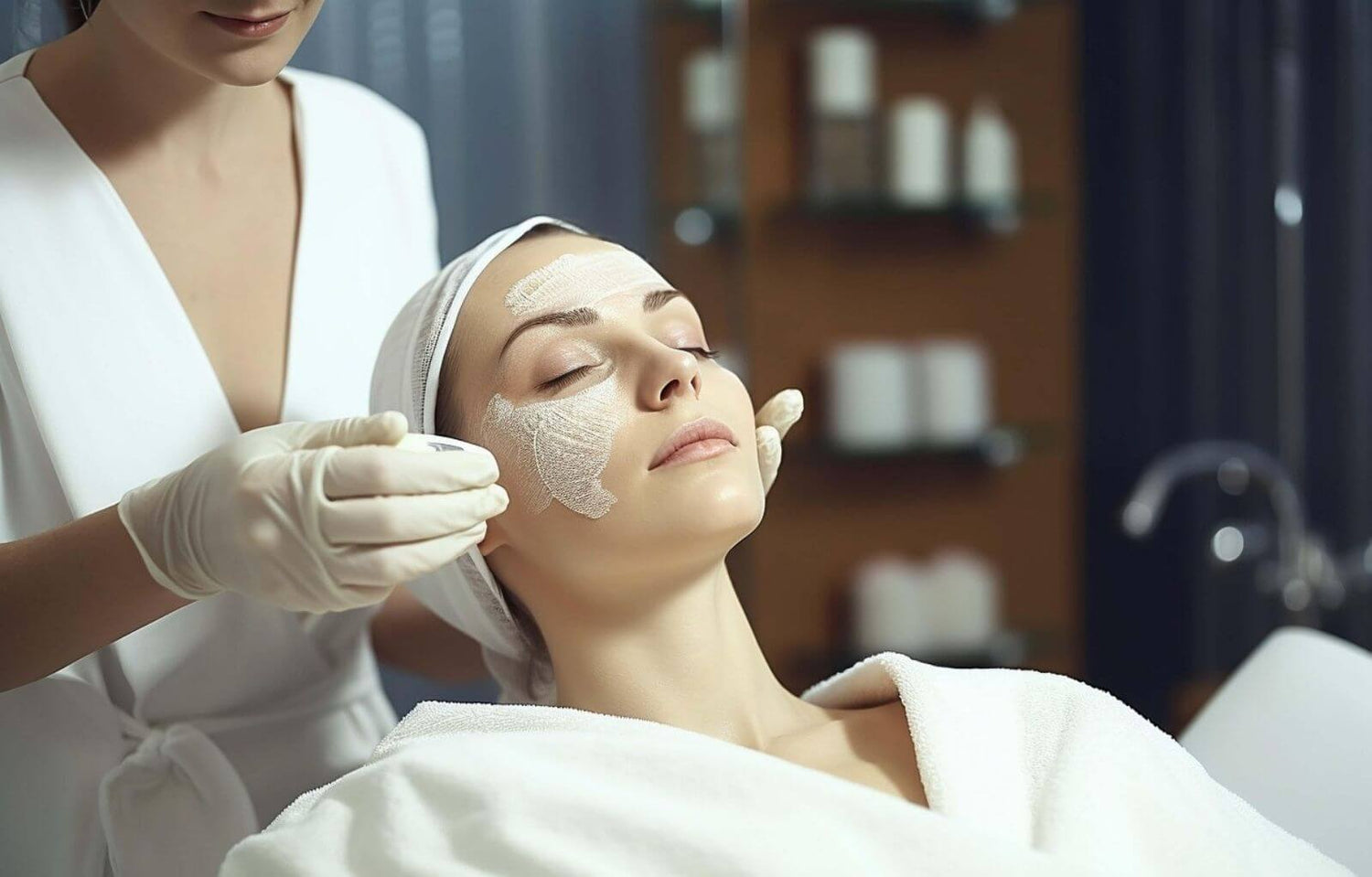
Are beauty devices worth buying? Yes, for some people: a well-chosen at-home beauty device can add a useful, targeted step to an existing routine. Its value depends on your specific concern, evidence for the technology and model, safety, ease of use and total cost. You do not need a device to have healthy skin, and a higher price or more functions does not guarantee better results.
From LED face masks and microcurrent facial tools to cleansing brushes and scalp care combs, beauty technology offers different ways to care for yourself at home. This beginner's buying guide explains how to compare these tools, decide whether you need one, and choose a device you will actually use. Start with your goal, not the gadget.
What Is a Beauty Device?
A beauty device is a personal care tool that uses a physical technology, such as visible light, electrical stimulation, mechanical motion, airflow or temperature control, to perform a defined task. Some tools are designed for cleansing or styling; others are intended to support the appearance of skin or hair. Certain devices also have regulated medical indications.
These are not interchangeable treatments. A cleansing brush helps move cleanser across the skin; an LED mask delivers light; a microcurrent device delivers electrical stimulation. Each needs its own instructions, precautions and evidence.
Do At-Home Beauty Devices Really Work?
Some do, for specific purposes. A tool may make a routine easier, improve a temporary cosmetic appearance, or have evidence of a measurable benefit under a defined protocol. None of these automatically proves a permanent biological change. For example, a smoother-looking finish after brushing is different from repairing broken hair, and a temporary change in facial appearance is different from a lasting lift.
The American Academy of Dermatology explains that red light devices can produce visible improvements for some skin-aging concerns, but outcomes vary and the best treatment parameters are still being investigated. See its red light therapy guidance. Evidence for one technology does not establish the effectiveness of every device containing it.
When comparing results, distinguish an immediate cosmetic effect, a change measured after repeated use, and a medical treatment outcome. Ask which outcome was actually measured, how long it took, and whether the exact device was tested.

Types of Beauty Devices: Which One Matches Your Goal?
Before choosing a brand or price range, identify the main task you want the tool to perform. A focused device can be a better investment than a multifunctional one if it addresses your priority more easily.
| Device type | Main purpose | What to consider |
|---|---|---|
| LED facial mask | Light-based care for defined skin concerns | Wavelength, dose, fit, eye protection, model-specific evidence |
| Microcurrent / EMS facial device | Electrical stimulation for facial toning routines | Intensity, attachments, conductive medium, contraindications |
| Facial cleansing brush | Mechanical assistance with surface cleansing | Softness, pressure, hygiene, skin tolerance |
| Ultrasonic skin spatula | Device-assisted surface cleansing or exfoliation | Instructions, contact medium, irritation risk |
| Facial massager | Massage and temporary cosmetic refresh | Comfort, pressure, realistic expectations |
| Hair and scalp care comb | Brushing, static control or additional scalp-focused features | Hair type, comb design, mode-specific evidence |
| Ionic hair dryer | Drying and styling | Airflow, temperature control, handling |
For a deeper look at the first category, read our complete LED facial mask guide. For hair and scalp care, see our at-home scalp care routine.
How to Choose Your First Beauty Device: Seven Checks
1. Define a specific goal
Choose one concern that matters in everyday life: visible fine lines, an easier cleansing routine, facial toning, flyaways or convenient hair drying. If your concern is a persistent rash, painful acne or unusual hair loss, professional evaluation may be a better first investment.
2. Understand the technology
Look for a clear explanation of how the device operates. For an LED tool, color alone is not enough: wavelength, irradiance, treatment time and distance can influence the delivered dose. For an electrical device, look for intensity settings, contact requirements and instructions. For a cleansing brush, consider motion, bristle design and pressure.
3. Check evidence for the actual model
Ask whether the brand supplies relevant tests, a study protocol or public regulatory documentation. Strong evidence identifies the device, population, outcome, duration and comparison group when applicable. A laboratory safety test, consumer satisfaction survey and clinical trial answer different questions. Before-and-after images alone cannot establish causation.
4. Review safety and market-specific compliance
Check the manual for contraindications, permitted treatment areas, session limits and cleaning requirements. When a medical indication is advertised, verify the applicable regulatory status for the exact model and country. The FDA consumer guidance explains that establishment registration and device listing are not equivalent to clearance or approval.
5. Prioritize comfort and practicality
Think about grip, fit, weight, charging, storage and how easy it is to clean contact surfaces. A device that is uncomfortable or difficult to maintain is unlikely to become a lasting habit. Check whether replacement attachments or conductive gel are required.
6. Consider the whole cost
Compare the purchase price, consumables, replacement parts, warranty scope and the time you need for each session. Expensive tools are not automatically more effective, and a cheap tool with unclear instructions may not offer good value.
7. Evaluate the brand's long-term support
A useful product page explains the intended use and limitations, provides accessible customer service and states the return and warranty conditions. Check these policies for your market rather than relying on a generic promise.
How to Recognize Credible Beauty Device Claims
| Claim or credential | What it can tell you | What it does not establish |
|---|---|---|
| FDA 510(k) clearance | US regulatory clearance for a specific device and intended use | Approval of the whole brand or every advertised benefit |
| CE marking / RoHS documentation | Relevant conformity or restricted-substance requirements, where applicable | Clinical effectiveness for all skin concerns |
| ISO management system certification | A defined organizational management system within its scope | Individual product efficacy |
| Third-party test (such as SGS) | Results for the tested sample, method and conditions | Guaranteed results or an untested feature’s independent effect |
| Patent / design award | Innovation or recognized design within the relevant scope | Superior clinical performance |
| Customer reviews | Individual experiences and usability feedback | Controlled evidence or typical results for all users |
Be cautious of guaranteed wrinkle removal, permanent lifting, instant acne cures, unexplained percentages and vague regulatory logos. Ask for the report number or source and check that it corresponds to the exact model. Different markets may require different documents; not every cosmetic tool requires the same authorization.
Beauty Devices vs. Traditional Skincare
Basic skincare is the foundation: gentle cleansing, moisturizing and daily broad-spectrum sunscreen. A device can add a targeted step, but it does not make every serum more effective or automatically improve ingredient penetration. Use skincare products before or after a device only as directed; some modes require a specific conductive medium or clean, dry skin.
A simple routine might involve cleansing, a suitable device session, moisturizer and daytime sun protection. If you use prescription treatments or potentially irritating ingredients, ask a professional how to combine them safely with your chosen tool.
Single-Function vs. Multifunctional Beauty Devices
| Consideration | Single-function device | Multifunctional device |
|---|---|---|
| Best fit | One clear priority | Several distinct, relevant care goals |
| Learning curve | Often simpler | May require learning several modes |
| Evidence | Review the one intended function | Review each technology and permitted combination |
| Maintenance | May need fewer accessories | May need multiple heads or consumables |
| Value | Can be better if one function is enough | Can be convenient if you genuinely use the extra modes |
Do not assume multiple technologies should be used simultaneously. Each mode may have a different contact medium, time limit and safety guidance. More modes are valuable only when they meet your needs.
Is TOUCHBeauty a Reliable Beauty Device Brand?
Founded in 1999, TOUCHBeauty began with a heated eyelash curler and has expanded into personal care and beauty technology. The company integrates product design, research and development, manufacturing, sales and global brand operations. TOUCHBeauty's corporate materials identify Shenzhen, China, as its headquarters and describe TOUCHBeauty Meijian (Shenzhen) Technology Co., Ltd. as the entity supporting its operations.
The brand reports more than 300 domestic and international patent applications, participation in national and industry standards, and international design recognition including Red Dot, iF Design and Japan Good Design awards. It also reports a CNAS-accredited laboratory and a portfolio spanning six major personal care categories. Read more on our About TOUCHBeauty page.

Quality, testing and design
TOUCHBeauty's quality framework includes ISO 9001, ISO 45001, ISO 14001 and ISO 13485 management systems, alongside BSCI and Sedex-related social responsibility practices, according to company materials. Product compliance documents and third-party efficacy tests are model- and market-specific. These credentials should be read within their own scope rather than as proof that every product delivers every claimed outcome.
Standards participation supports a culture of measurable technical requirements; design awards recognize design achievements. Neither replaces checking the instructions, safety information and evidence for the product you intend to buy.
Which TOUCHBeauty Device Should a Beginner Choose?
Here are examples from the TOUCHBeauty range, organized by the job each device is designed to do. They are not a universal ranking; choose according to your care goals and suitability.
| Product | Main focus | Choose it if… |
|---|---|---|
| TRIFECTA 3-in-1 Facial Beauty Device | EMS facial care and LED modes | You prefer a handheld tool with targeted attachments and adjustable intensity. |
| GLAM LED Facial Mask | Hands-free red, blue and yellow light | You prefer a wearable LED routine and its intended uses match your concern. |
| AQUA Dual-Mode Facial Cleansing Brush | Mechanical cleansing support | You want an adjustable cleansing tool and your skin tolerates gentle brushing. |
| 3-in-1 Ultrasonic Facial Skin Spatula | Ultrasonic surface care | You want a targeted cleansing or exfoliating tool and can follow its specific instructions. |
| VITA Scalp Care Comb | Multifunctional hair and scalp care | Your priority is hair manageability or a structured scalp care routine. |
Read our facial cleansing brush frequency guide before incorporating mechanical cleansing, and our LED mask evidence guide before selecting a light therapy device.
Featured Device: TOUCHBeauty TRIFECTA 3-in-1 Facial Beauty Device
TRIFECTA is a handheld facial device that combines EMS microcurrent care and selectable LED light modes. Its current product design includes three interchangeable attachments for targeted facial, eye and lip-area routines, four LED light modes and five adjustable intensity levels. Guided treatment cycles help structure use.

The product instructions distinguish water-based conductive gel for electrical modes from clean skin for LED use. Follow the attachment-specific instructions and avoid prohibited treatment areas. Electrical stimulation is not suitable for everyone; consult the manual and seek professional advice if you have an implanted electronic device or another relevant medical condition.
TRIFECTA is an option for people interested in multiple facial care functions in one handheld tool. If your primary goal is hands-free light therapy, GLAM may better suit your routine. If you simply want help with cleansing, AQUA is a more focused option.
Explore TRIFECTA
Discover the attachments, LED modes and adjustable intensity settings to see whether they fit your care goals.
Are Beauty Devices Worth the Money?
Consider cost per actual use, rather than comparing the price with a salon treatment that may use different technology and achieve different outcomes. For example, a hypothetical $150 device used twice a week for one year costs about $1.44 per session before consumables. Used only ten times, the same device costs $15 per session. These are illustrative calculations, not product pricing or a recommended schedule.
Set a budget you can comfortably afford, including replacements and maintenance. If the device addresses a real concern and you will use it as directed, it may offer worthwhile convenience. If your current routine works well or you are unlikely to use the device regularly, it is reasonable to skip the purchase.
What Results Should You Expect and How Can You Track Them?
Choose a measurable goal before starting. Depending on the device, that might be the look of fine lines, ease of detangling, static control or simply a more convenient routine. Use it only as directed and keep other routine changes limited when assessing its effect.
- Record your starting condition or take a photo in consistent lighting.
- Follow the exact manufacturer's instructions and session limits.
- Review the outcome at the intervals recommended for your device.
- Stop if you experience irritation, pain or unexpected symptoms.
- Reassess whether the benefit and convenience justify continued use.
There is no universal results timeline for all beauty technologies. Do not increase intensity or frequency simply because results are slower than expected.
Frequently Asked Questions About Beauty Devices
1. Are beauty devices really worth buying?
They can be if the device addresses a specific concern, has credible evidence and fits your budget and routine. They are optional, not a requirement for healthy skin.
2. What is the best beauty device for beginners?
There is no universal best device. Start with one simple tool matched to your main goal, with clear instructions, suitable safety features and accessible support.
3. Do expensive beauty devices work better?
Not necessarily. Price can reflect design, materials or added functions, but effectiveness depends on the technology, intended use and evidence for the specific model.
4. Are at-home beauty devices safe?
Safety depends on the exact device, intended use and individual suitability. Follow the manual, including contraindications and session limits; seek professional advice when needed.
5. Does FDA clearance mean a beauty device is clinically proven?
Not necessarily. Clearance applies to the specific device and stated indication. It does not establish that every marketing claim has been tested in a randomized clinical trial.
6. Can beauty devices replace skincare products?
No. Basic cleansing, moisturizing and sun protection remain important. Use compatible products as directed by the device instructions.
7. Can I use multiple beauty devices on the same day?
Only when their instructions and your individual suitability allow it. Avoid stacking treatments or increasing exposure without appropriate guidance.
8. Are beauty devices suitable for sensitive skin?
Not all are. Sensitive, irritated or medically affected skin may require a simpler routine or professional advice. Check contraindications and stop if discomfort develops.
9. How long does it take to see results?
Different devices have different purposes and evidence timelines. Follow the model-specific schedule rather than expecting a universal result after a set number of weeks.
10. Is TOUCHBeauty a beauty technology brand?
Yes. Founded in 1999, TOUCHBeauty develops personal care devices across multiple categories and integrates design, research, manufacturing and global brand operations.
Final Verdict: Start With One Goal
The best beauty device investment is one that solves a practical care need, provides transparent information and fits the routine you already have. You do not need the most expensive model or the most modes to make a considered choice.
Explore the TOUCHBeauty beauty and personal care collection or contact our team for product-specific questions.
Sources and Further Reading
- American Academy of Dermatology: Is red light therapy right for your skin?
- FDA: Understanding device registration, clearance and approval
- TOUCHBeauty: About Us and brand background
- TOUCHBeauty: TRIFECTA product information
This guide provides general product education and is not medical advice. Follow the instructions for your exact device.


Leave a comment
All comments are moderated before being published.
This site is protected by hCaptcha and the hCaptcha Privacy Policy and Terms of Service apply.